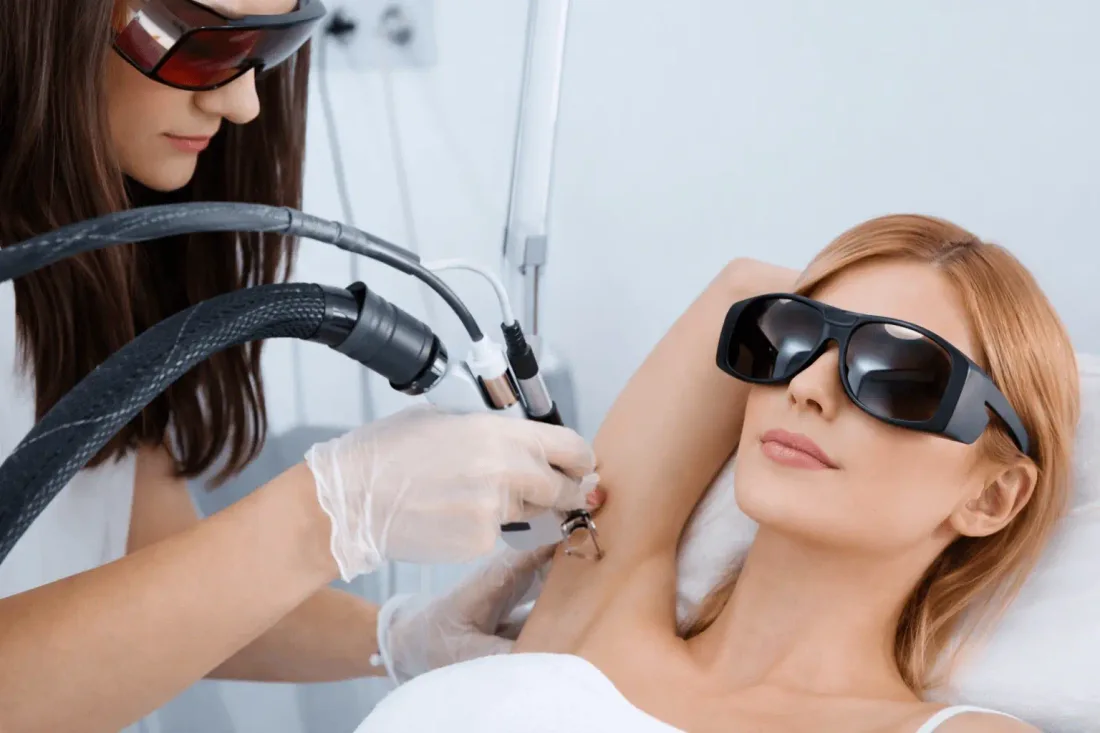
Laser hair removal can feel like brief heat or snapping against the skin. Whether it feels worse than waxing depends on the area, your sensitivity, and the treatment. Cooling and appropriate settings matter. Significant or increasing pain is a reason to speak up immediately, not something you should silently tolerate.
Why the comparison is personal
Waxing and laser treatment produce different sensations. Waxing pulls hair out in a short, concentrated action. Laser treatment delivers pulses across an area. Someone who dislikes the pulling sensation of waxing may find laser easier to manage; another person may be more bothered by warmth. Neither experience predicts exactly how your first laser appointment will feel.
Instead of asking only whether it hurts, ask how the provider monitors comfort and skin response. A thoughtful answer should explain what sensations to expect, how cooling is used, and how you can pause. A promise of completely painless treatment for everyone is less useful than a clear plan for your own appointment.
Area, hair, and your circumstances matter
Your underarms, lower legs, and upper lip do not necessarily feel the same. The size of the area also changes the experience: a small sensitive area may be finished sooner than a large, less sensitive one. Ask how much time is reserved, including preparation and the opportunity to discuss questions.
Tell the provider if your skin is already sore, irritated, recently tanned, or affected by a new product. Do not assume discomfort is simply your low pain threshold. A change in your skin or health history may affect whether treatment should go ahead. Our safety guide explains why screening matters as much as comfort.
What cooling can and cannot do
Cooling can help protect the skin and make treatment more comfortable. Ask what cooling method is used with the proposed device and what you should feel before the first pulse. You do not need to select a cooling system yourself; you do need to understand how the practitioner is monitoring your response.
Cooling is not permission to ignore burning or escalating pain. If something feels wrong, say so clearly. A useful phrase is, “That feels hotter than the previous pulses; please stop and check.” You should not have to decide whether a reaction is medically important before asking for a pause.
Prepare without improvising pain control
Follow the provider's preparation instructions, including guidance about shaving and sun exposure. Arrive with enough time to discuss your concerns. If you are anxious, mention that when booking so the consultation can address the steps of treatment rather than rushing through them.
Do not apply a numbing product, take extra medication, or change a prescription just to get through an appointment without first discussing it with the treating professional. Products and medicines can have their own risks, and the provider needs to know what is on your skin. Our preparation checklist can help organize that discussion.
Make the first appointment a conversation
Before starting, agree on how you will signal that you want to stop. Ask what the practitioner considers an expected response and what would prompt reassessment. If a test area is appropriate, ask how and when it will be evaluated; it is not a guarantee that no later reaction can occur.
People sometimes worry that asking questions will make them seem difficult. In reality, useful feedback helps the practitioner assess treatment. Describing where, when, and how a sensation changes is more helpful than trying to assign yourself a pain tolerance score.
After treatment: discomfort should not be dismissed
Temporary redness or sensitivity can occur. Ask for written aftercare instructions and a contact method before leaving. Report blistering, broken skin, substantial swelling, severe pain, or symptoms that are worsening rather than settling. Seek urgent medical attention for eye symptoms or a serious unexpected reaction.
Do not compare your skin only with pictures online. The timing, treatment area, and your normal skin appearance all matter. Keep any photos you take private and share them directly with the treating professional when seeking advice.
Your comfort belongs in the treatment plan
At your Athens consultation in Allen, bring up previous waxing experiences, sensitive areas, and any concerns about pain. If you are considering an intimate area, review bikini versus Brazilian treatment so the boundaries are clear too. The goal is an informed, personalized plan—not proving how much discomfort you can tolerate.
Sources & further reading
Clinical background for this guide. These organizations do not endorse Athens. Individual advice from your treating professional takes priority.
General education—not an individual diagnosis, treatment clearance, or substitute for medical advice. No independent clinical review is claimed. For personal suitability, speak with your treating professional.